
Decoding Spaces and Places: Cultural Hackerage
Selected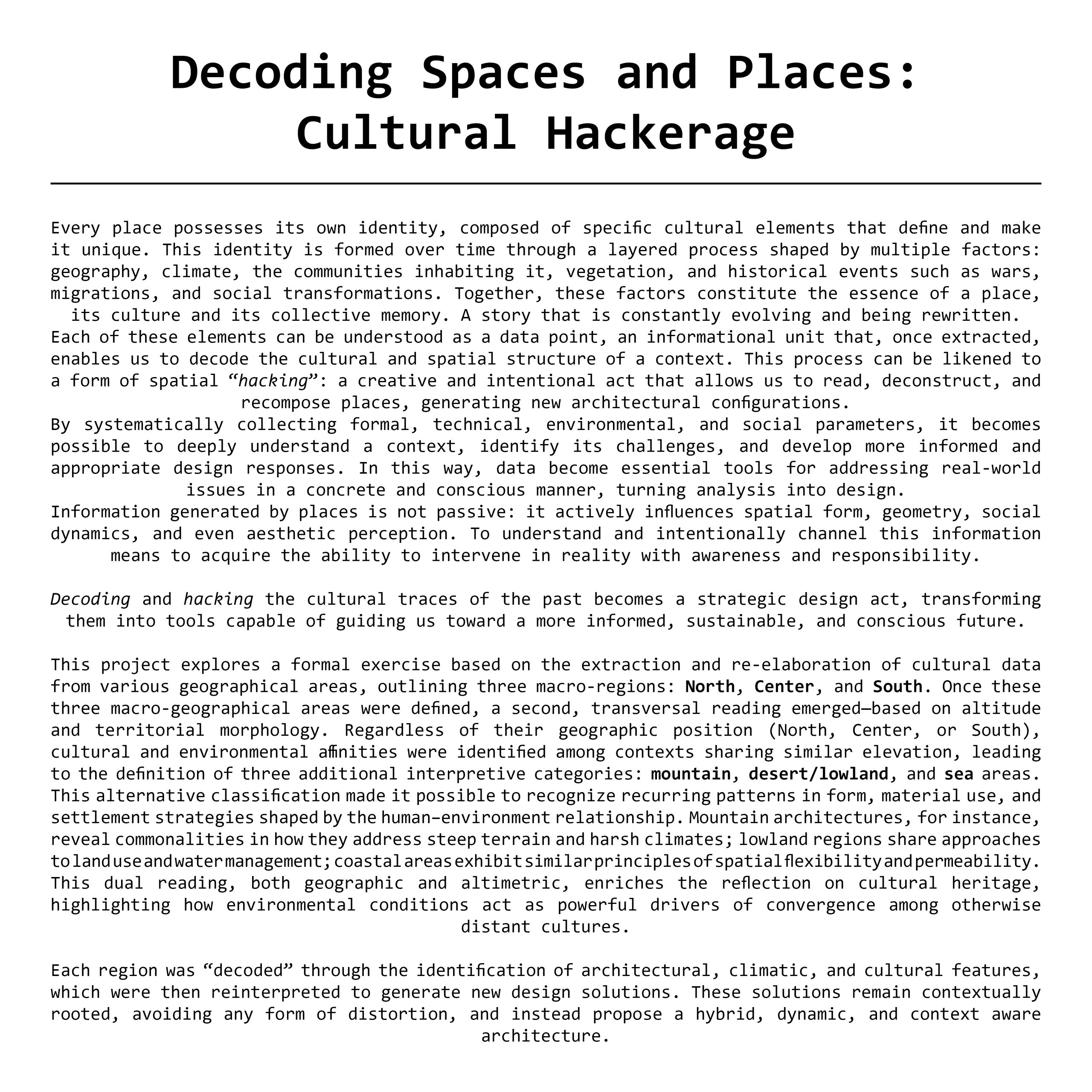
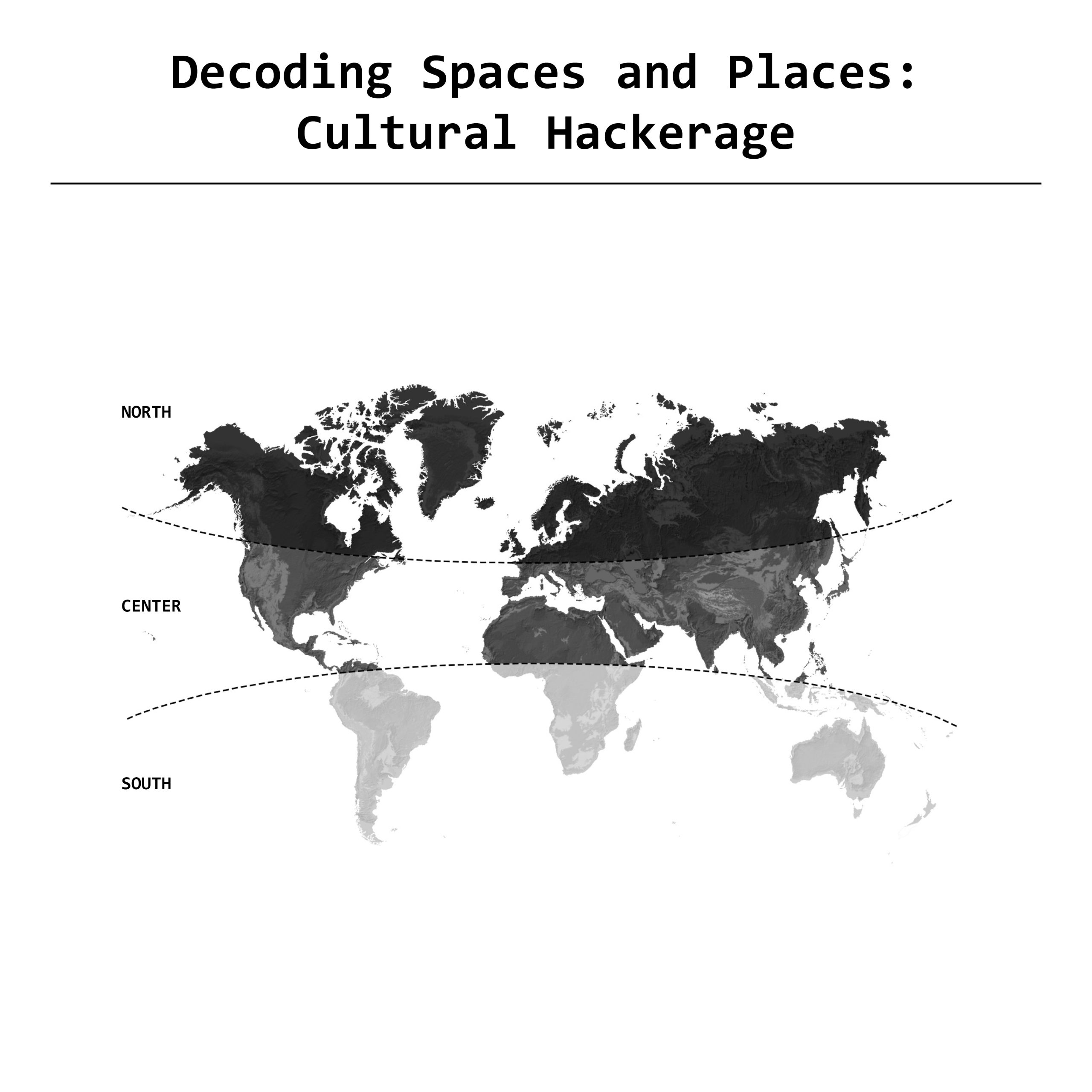
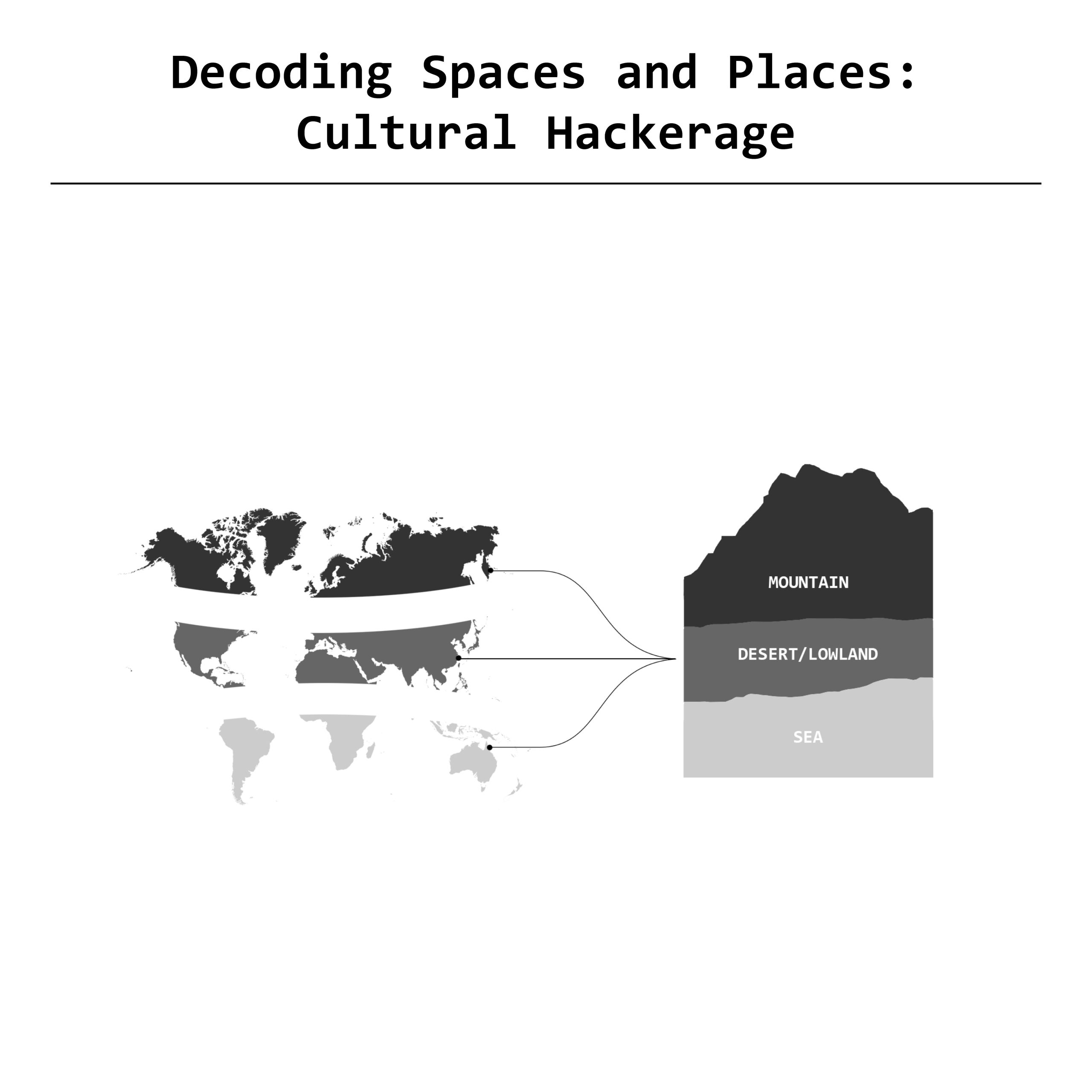

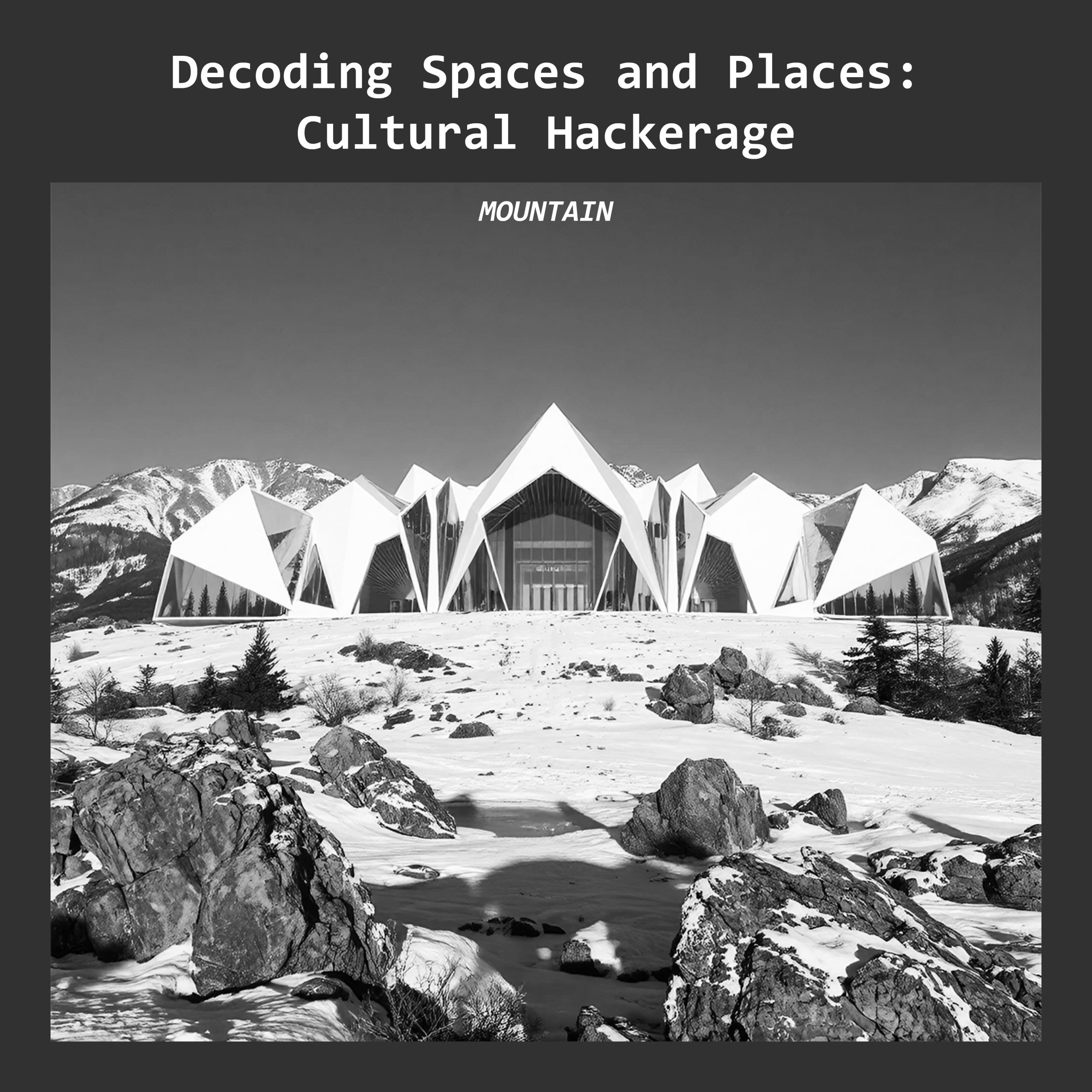
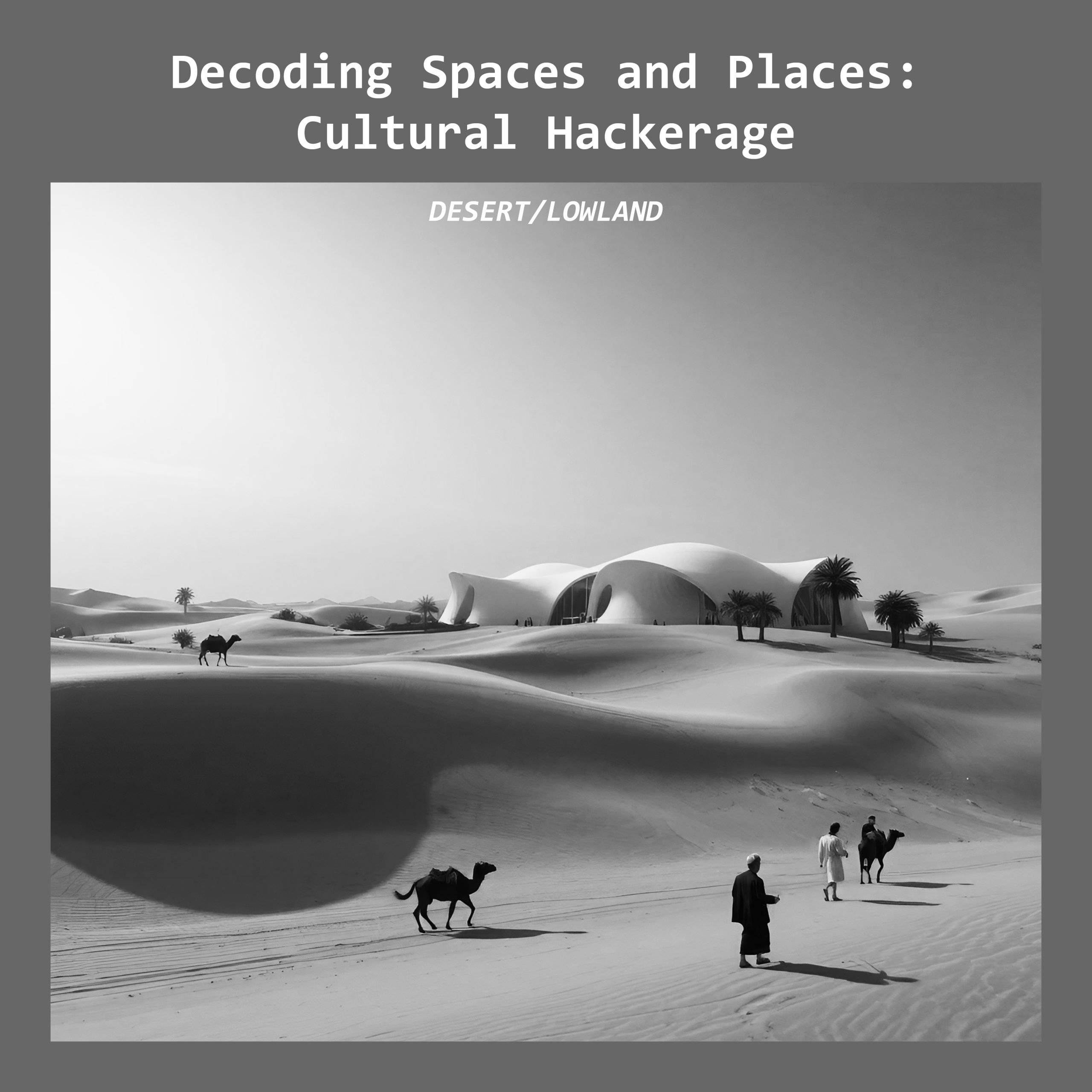
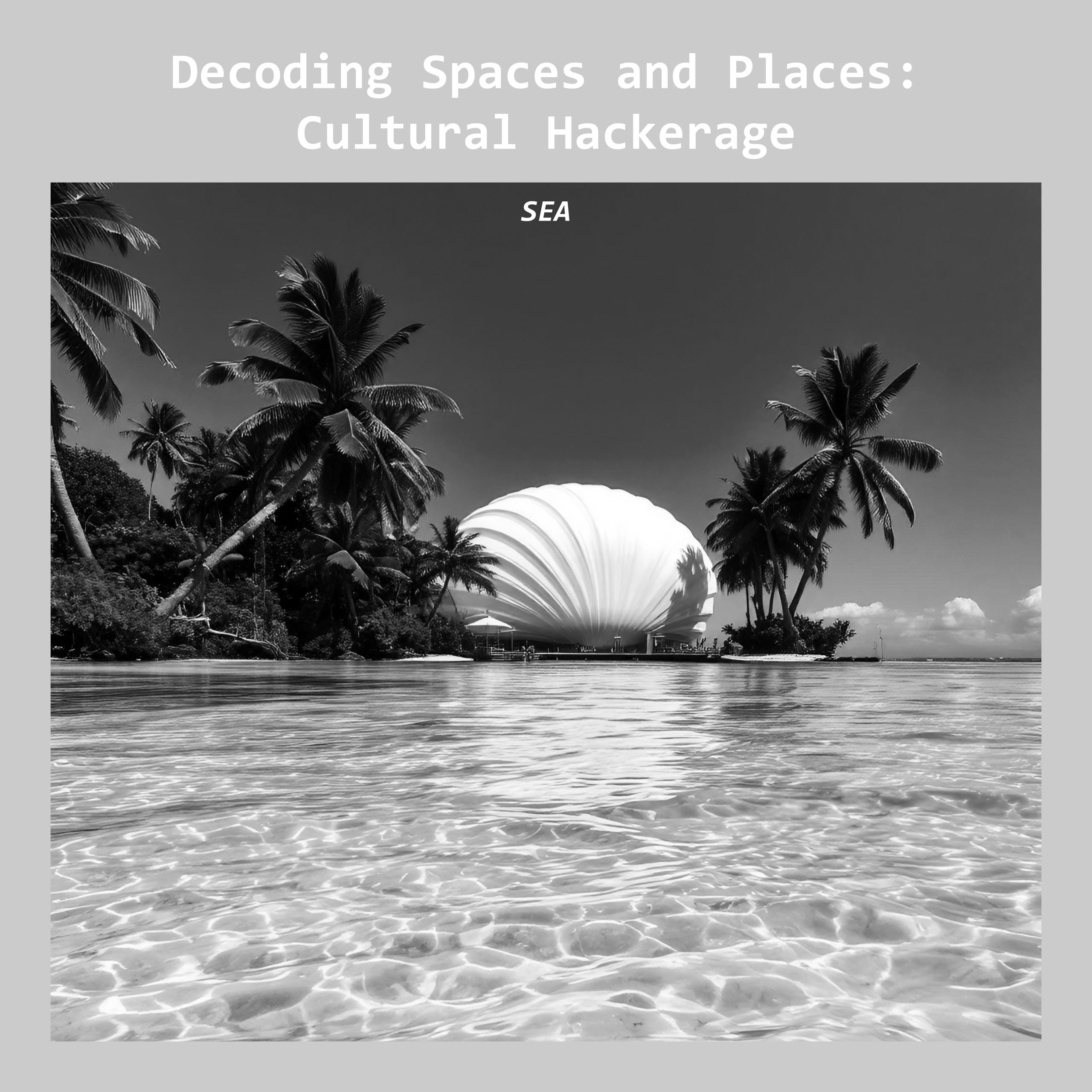


Each place has a specific “identity”, the result of a stratification of cultural, social, and environmental elements. This identity is not fixed: it evolves over time, shaped by geography, climate, community, historical factors, and memory. These layers form the cultural DNA of a place, a memory not frozen in time but continuously rewritten. Every single elements can be read as data: once extracted and contextualized, they help us decode the deeper structure of that identity. We might call this process spatial hacking, a creative act of deconstructing and reconfiguring narratives to combine and invent new architectural languages. By collecting and analyzing formal, technical, environmental, and social parameters, we can grasp a context in its full complexity. This “pilot project” proposes an approach that likens territorial analysis to a creative and conscious “hacking” of space, transforming environmental, technical, and cultural parameters into an operative design tool. Data thus becomes key to critically understanding places, addressing real issues, and developing integrated and sustainable architectural solutions. Decoding and hacking the cultural traces of the past becomes a strategic design act, transforming them into tools capable of guiding us toward a more informed, sustainable, and conscious future.